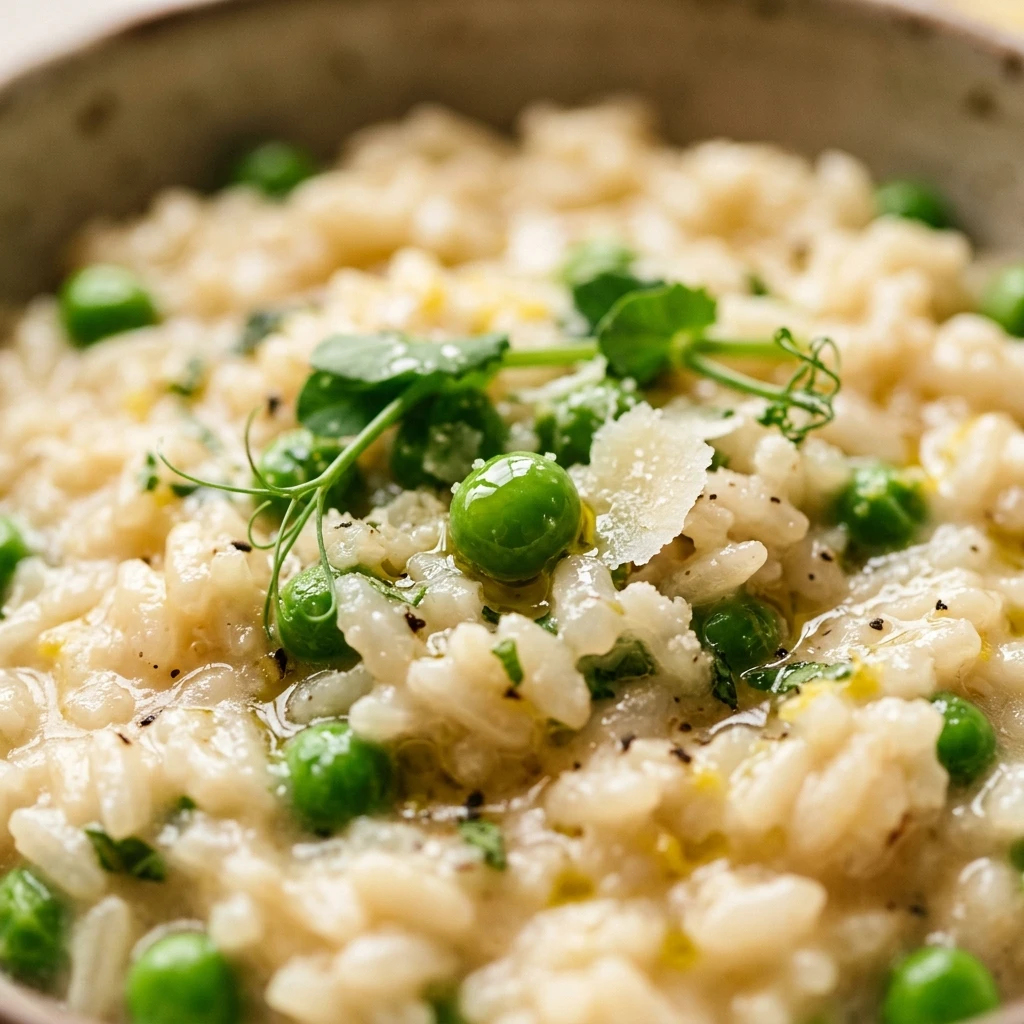

As the weather warms up and gardens begin to bloom, nothing captures the essence of the season quite like a vibrant spring pea risotto. This classic Italian dish is the definition of comfort food, blending a rich, velvety texture with the bright, sweet snap of fresh green peas. It is a celebratory meal that feels elegant enough for a dinner party yet cozy enough for a quiet Sunday night at home.
Mastering a great risotto is a rite of passage for many home cooks. While it has a reputation for being high-maintenance, the process is actually quite meditative. With a little patience and the right technique, you can transform simple grains of rice into a creamy masterpiece that highlights the delicate flavors of spring. Whether you are using freshly shelled English peas or high-quality frozen ones, this recipe delivers a burst of sunshine in every spoonful.
Recipe Information
- Prep Time: 15 minutes
- Cook Time: 30 minutes
- Total Time: 45 minutes
- Servings: 4
- Difficulty Level: Medium
Nutrition Information
- Calories per serving: 385
- Protein: 10g
- Carbohydrates: 52g
- Fat: 12g
- Fiber: 5g
- Sugar: 4g
- Sodium: 650mg
Why Make This spring pea risotto recipe
You should make this spring pea risotto because it perfectly balances richness with freshness. Unlike heavy winter stews, this dish uses lemon zest and fresh herbs to lift the creamy rice, making it feel light and seasonal. It is a fantastic way to showcase the best produce of the season and works beautifully as either a main course or a sophisticated side dish.
Additionally, this recipe is highly adaptable. It is naturally vegetarian and can be easily modified to suit different dietary needs. The rhythmic stirring required to make risotto is also a wonderful way to slow down and enjoy the cooking process, resulting in a dish that tastes like it came straight from a professional kitchen.
How to Make spring pea risotto recipe
Creating a restaurant-quality risotto at home is all about managing your heat and adding liquid gradually. Follow these simple steps to ensure your rice is perfectly tender and your sauce is naturally creamy.
Ingredients
- 1.5 cups Arborio or Carnaroli rice
- 5 cups vegetable broth, kept warm
- 1.5 cups fresh or frozen peas
- 2 medium shallots, finely minced
- 3 cloves garlic, minced
- 1/2 cup dry white wine (like Sauvignon Blanc or Pinot Grigio)
- 3 tablespoons unsalted butter
- 1/2 cup freshly grated Parmesan cheese
- 1 tablespoon lemon zest
- 2 tablespoons fresh mint or parsley, chopped
- 2 tablespoons extra virgin olive oil
- Salt and black pepper to taste
Directions
Step 1: Warm the Broth
Place your vegetable broth in a medium saucepan over medium heat. Bring it to a gentle simmer, then reduce the heat to low. It is crucial to keep the broth warm so that it doesn’t lower the temperature of the rice each time you add a ladleful.
Step 2: Sauté the Aromatics
In a large, heavy-bottomed skillet or Dutch oven, heat the olive oil and one tablespoon of butter over medium heat. Add the minced shallots and cook for 3 to 4 minutes until they are soft and translucent. Stir in the garlic and cook for another minute until fragrant, being careful not to let it brown.
Step 3: Toast the Rice
Add the Arborio rice to the skillet with the shallots and garlic. Stir well to coat every grain of rice with the oil and butter. Toast the rice for about 2 minutes, or until the edges of the grains become slightly translucent while the centers remain white. This step adds a nutty flavor and helps the rice maintain its structure.
Step 4: Deglaze the Pan
Pour in the white wine. Use a wooden spoon to scrape any browned bits from the bottom of the pan. Stir constantly until the wine has been almost completely absorbed by the rice. The wine adds a necessary acidity that cuts through the richness of the final dish.
Step 5: Incorporate the Broth Gradually
Add one ladle of the warm broth to the rice. Stir frequently. Once the liquid is mostly absorbed, add another ladle of broth. Continue this process for about 18 to 22 minutes. You don’t need to stir every second, but frequent stirring is what releases the starch from the rice, creating that signature creamy texture.
Step 6: Add Peas and Finish
When the rice is al dente (tender but with a slight bite), add the peas along with the last ladle of broth. Cook for 2 more minutes. Remove the pan from the heat. Stir in the remaining butter, Parmesan cheese, lemon zest, and fresh herbs. Season with salt and pepper to taste. Cover the pan and let it sit for 2 minutes before serving.
How to Serve spring pea risotto recipe
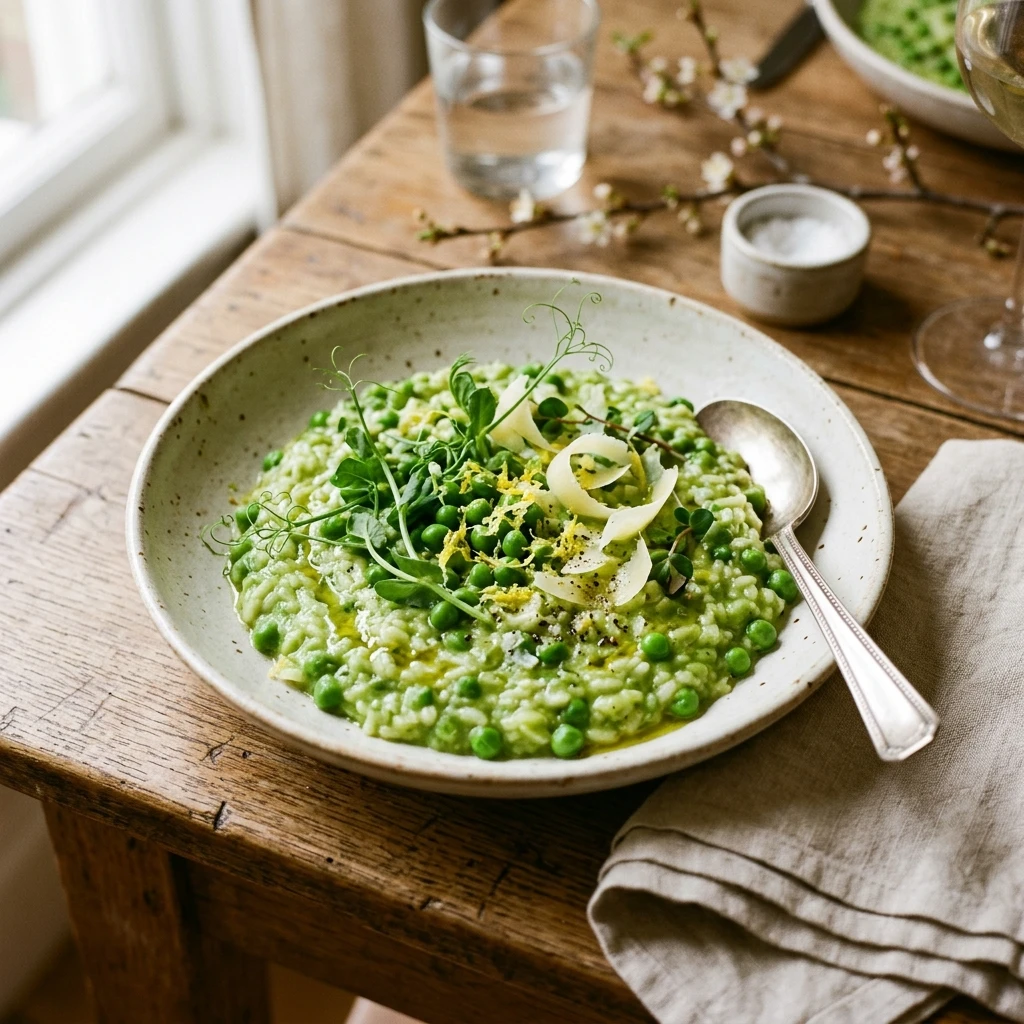
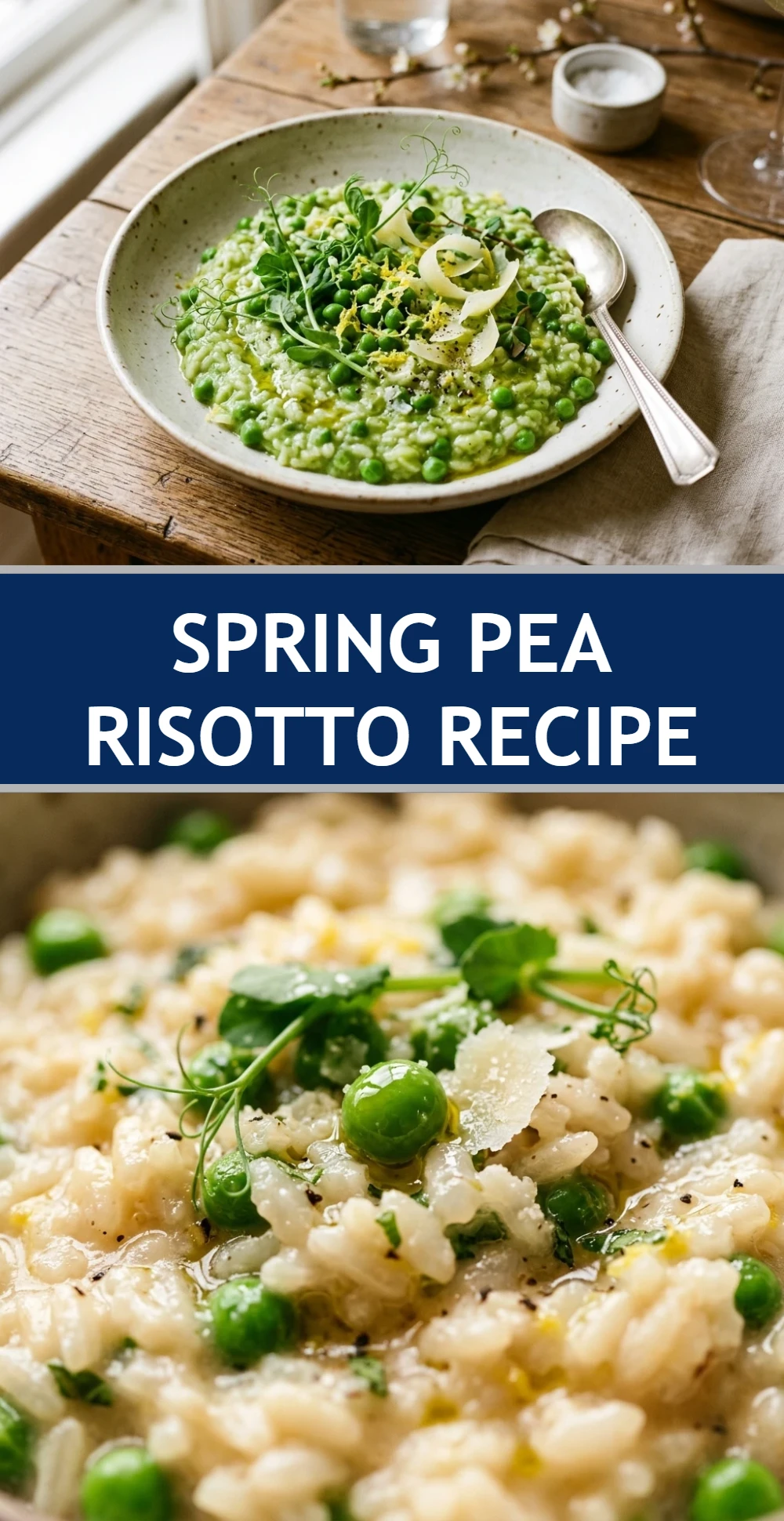
Serve the risotto immediately while it is still warm and creamy. Use shallow bowls to allow the risotto to spread out slightly. Garnish each portion with an extra sprinkle of Parmesan cheese, a few whole peas, and a drizzle of high-quality olive oil. A sprig of fresh mint or a few cracks of black pepper can also add a beautiful finishing touch. This dish pairs excellently with a crisp glass of the same white wine used during the cooking process.
How to Store spring pea risotto recipe
Risotto is best enjoyed fresh, as the texture changes as it cools. However, if you have leftovers, store them in an airtight container in the refrigerator for up to 3 days. To reheat, place the risotto in a pan with a splash of water or broth and stir over low heat until creamy again. Avoid freezing risotto, as the rice grains tend to become grainy and lose their pleasant texture upon thawing.
Expert Tips for Perfect spring pea risotto recipe
Always use warm broth; cold liquid will shock the rice and prevent it from cooking evenly. Choose the right rice—Arborio is common, but Carnaroli is often preferred by chefs for its superior texture. Don’t overcook the peas; if using fresh ones, they only need a few minutes to stay bright green and sweet. Finally, remember that risotto should be “all’onda” (like a wave), meaning it should flow slightly when the bowl is tilted, rather than sitting in a stiff clump.
Delicious Variations
For a non-vegetarian version, you can add crispy pancetta or bacon at the end for a salty crunch. If you want more greens, stir in some baby spinach or chopped asparagus during the last five minutes of cooking. To make it vegan, replace the butter with a high-quality vegan butter or olive oil and swap the Parmesan for nutritional yeast or a dairy-free cheese alternative. For a touch of luxury, a drizzle of truffle oil just before serving takes this dish to a whole new level.
Frequently Asked Questions
Q: Can I use frozen peas instead of fresh?
Yes, frozen peas work perfectly in this recipe. You don’t even need to thaw them beforehand; just stir them in during the final few minutes of cooking as directed.
Q: What is the best substitute for white wine?
If you prefer not to use alcohol, you can substitute the wine with an equal amount of broth plus a tablespoon of lemon juice to provide that necessary acidity.
Q: Why is my risotto mushy?
Mushy risotto usually happens if the rice is overcooked or if too much liquid was added at the very end. Aim for “al dente,” where the rice is soft but still has a firm center.
Q: Do I really have to stir it the whole time?
You don’t have to stir every single second, but you should stir often. Stirring creates friction between the rice grains, which releases the starch needed for the creamy consistency.
Q: Can I use long-grain white rice?
No, long-grain rice does not have enough starch to create the creamy sauce that defines a risotto. You must use a short-grain starchy rice like Arborio, Carnaroli, or Vialone Nano.
Conclusion
Spring pea risotto is a timeless dish that celebrates the freshness of the season with every bite. It is a rewarding recipe that proves how a few simple ingredients can be transformed into something truly spectacular through proper technique. Whether you are cooking for a special occasion or simply want to treat yourself to a delicious meal, this risotto is sure to satisfy. Grab your wooden spoon, start stirring, and enjoy the bright, creamy flavors of spring!
spring pea risotto recipe
- Cook Time: 45 minutes
- Total Time: 45 minutes
- Diet: Vegetarian
Ingredients
- 1.5 cups Arborio or Carnaroli rice
- 5 cups vegetable broth, kept warm
- 1.5 cups fresh or frozen peas
- 2 medium shallots, finely minced
- 3 cloves garlic, minced
- 1/2 cup dry white wine (like Sauvignon Blanc or Pinot Grigio)
- 3 tablespoons unsalted butter
- 1/2 cup freshly grated Parmesan cheese
- 1 tablespoon lemon zest
- 2 tablespoons fresh mint or parsley, chopped
- 2 tablespoons extra virgin olive oil
- Salt and black pepper to taste
Instructions
- Step 1: Warm the Broth
Place your vegetable broth in a medium saucepan over medium heat. Bring it to a gentle simmer, then reduce the heat to low. It is crucial to keep the broth warm so that it doesn’t lower the temperature of the rice each time you add a ladleful. - Step 2: Sauté the Aromatics
In a large, heavy-bottomed skillet or Dutch oven, heat the olive oil and one tablespoon of butter over medium heat. Add the minced shallots and cook for 3 to 4 minutes until they are soft and translucent. Stir in the garlic and cook for another minute until fragrant, being careful not to let it brown. - Step 3: Toast the Rice
Add the Arborio rice to the skillet with the shallots and garlic. Stir well to coat every grain of rice with the oil and butter. Toast the rice for about 2 minutes, or until the edges of the grains become slightly translucent while the centers remain white. This step adds a nutty flavor and helps the rice maintain its structure. - Step 4: Deglaze the Pan
Pour in the white wine. Use a wooden spoon to scrape any browned bits from the bottom of the pan. Stir constantly until the wine has been almost completely absorbed by the rice. The wine adds a necessary acidity that cuts through the richness of the final dish. - Step 5: Incorporate the Broth Gradually
Add one ladle of the warm broth to the rice. Stir frequently. Once the liquid is mostly absorbed, add another ladle of broth. Continue this process for about 18 to 22 minutes. You don’t need to stir every second, but frequent stirring is what releases the starch from the rice, creating that signature creamy texture. - Step 6: Add Peas and Finish
When the rice is al dente (tender but with a slight bite), add the peas along with the last ladle of broth. Cook for 2 more minutes. Remove the pan from the heat. Stir in the remaining butter, Parmesan cheese, lemon zest, and fresh herbs. Season with salt and pepper to taste. Cover the pan and let it sit for 2 minutes before serving.