Gluten-Free Sourdough Bread
Recipe Information
- Prep Time: 8-12 hours (for fermentation)
- Cook Time: 45-55 minutes
- Total Time: 9-13 hours (including fermentation and baking)
- Servings: Approximately 12 slices
- Difficulty Level: Medium
Nutrition Information
- Calories per serving: 120
- Protein: 3g
- Carbohydrates: 22g
- Fat: 1g
- Fiber: 2g
- Sugar: 1g
- Sodium: 200mg
Why Make This Gluten-Free Sourdough Bread
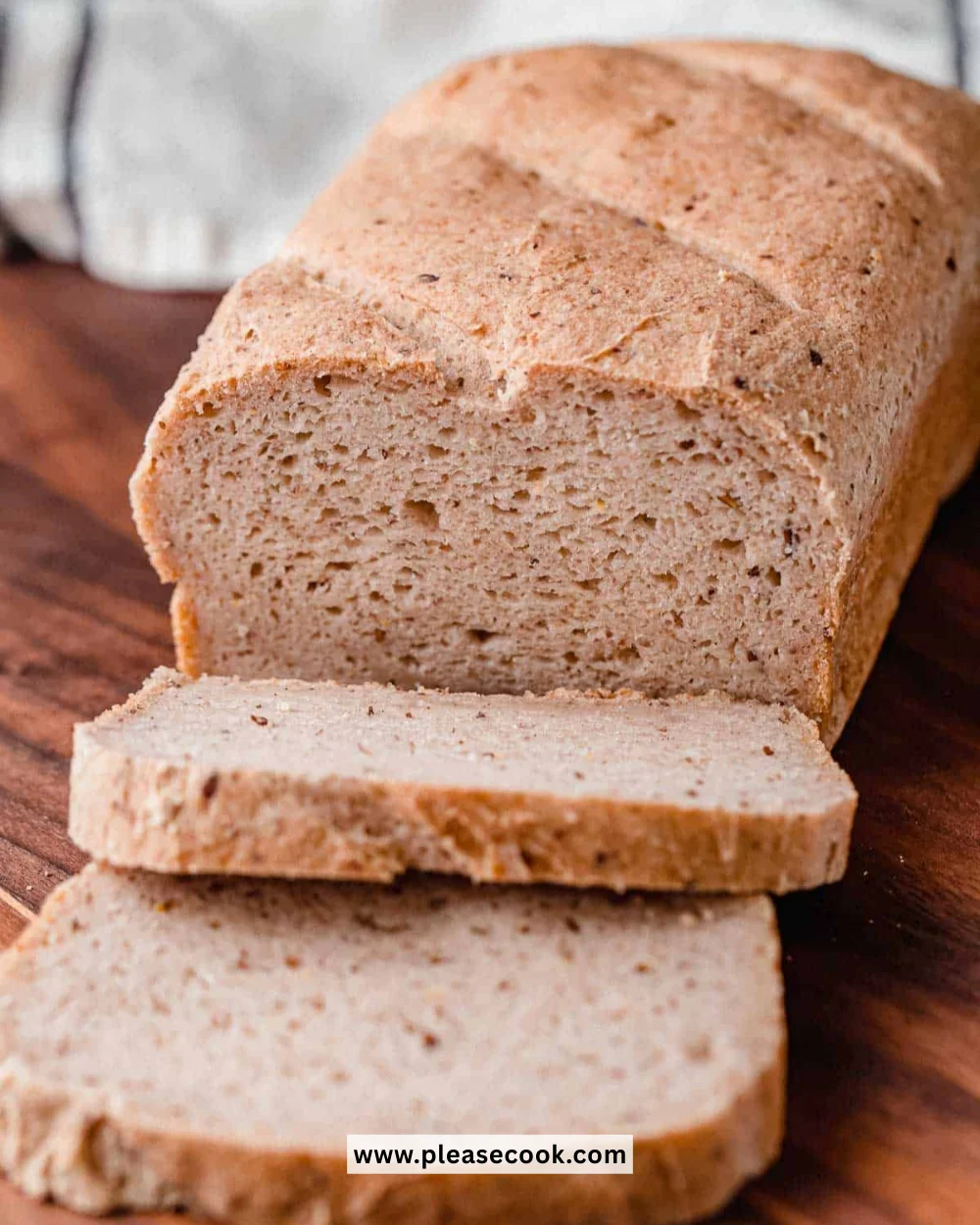
Making gluten-free sourdough bread at home offers a delightful alternative for those who are gluten-sensitive or have celiac disease. It not only provides a wonderful texture and flavor but also fills your kitchen with a warm, comforting aroma. The tangy notes from the sourdough starter, combined with the tenderness of gluten-free flour, create a loaf that’s perfect for sandwiches, toast, or simply enjoying with a smear of butter. Making your own bread also allows you to control the ingredients, ensuring that you know exactly what’s going into your body.
How to Make Gluten-Free Sourdough Bread
Creating your own gluten-free sourdough bread is a rewarding experience that combines patience and simple ingredients. Follow the detailed steps below to master this tasty recipe.
Ingredients:
- 2 cups gluten-free all-purpose flour
- 1 cup sourdough starter (gluten-free)
- 1 cup warm water
- 1 teaspoon salt
- 1 tablespoon honey or sugar
- 1/2 teaspoon xanthan gum (if not included in flour mixture)
Directions:
Step 1: Preparation
In a large mixing bowl, combine the gluten-free flour, sourdough starter, warm water, salt, honey, and xanthan gum. Mix well until a smooth batter forms.
Step 2: Fermenting
Cover the bowl with plastic wrap or a clean towel and let it sit at room temperature for 8-12 hours to ferment. This step is crucial as it develops the flavor and texture of your sourdough bread.
Step 3: Preheating
Preheat your oven to 375°F (190°C) and line a baking pan with parchment paper. The parchment helps prevent the bread from sticking and makes cleanup a breeze.
Step 4: Baking
Pour the fermented batter into the prepared baking pan and smooth the top with a spatula. Bake for about 45-55 minutes or until the bread is golden brown and sounds hollow when tapped on the bottom.
Step 5: Cooling
Allow the bread to cool completely on a wire rack before slicing. This cooling time helps the bread set properly, ensuring a nice crumb structure.
How to Serve Gluten-Free Sourdough Bread
This gluten-free sourdough bread is incredibly versatile. Serve it warm with a pat of butter or your favorite spread for breakfast or brunch. Consider making a delightful sandwich filled with fresh vegetables, turkey, or your choice of deli meats. You can also enjoy it with soups or salads, adding a satisfying crunch to your meal. For a special treat, toast slices to enhance the flavors and textures, and then top them with avocado, tomato, or your preferred toppings.
How to Store Gluten-Free Sourdough Bread
To keep your gluten-free sourdough bread fresh, store it in an airtight container at room temperature for up to three days. For longer storage, consider freezing slices. Wrap the cooled slices in plastic wrap and then in aluminum foil to prevent freezer burn. They can last up to three months in the freezer. When you’re ready to enjoy them, simply toast or warm the slices directly from the freezer.
Expert Tips for Perfect Gluten-Free Sourdough Bread
- Use a quality sourdough starter: Ensure your gluten-free sourdough starter is active and bubbly for the best results.
- Adjust hydrating ingredients: Gluten-free flours absorb water differently. You may need to adjust the warm water based on the flour brand you choose.
- Room temperature matters: The fermentation step works best at room temperature, so find a warm spot in your kitchen for this process.
- Experiment with flavors: Add herbs, seeds, or spices to your batter for extra flavor and texture.
- Don’t rush the cooling process: Letting your bread cool completely is essential for slicing without crumbling.
Delicious Variations
- Herb-Infused Sourdough: Add dried herbs like rosemary or thyme to the batter for a savory flavor.
- Cheese and Chive: Stir in shredded cheese and chopped chives for a delicious twist.
- Sweet Banana Bread: Add mashed ripe bananas and a sprinkle of cinnamon for a sweet treat.
- Seeded Bread: Mix in sunflower seeds, pumpkin seeds, or flaxseeds for added nutrition and crunch.
Frequently Asked Questions
-
Can I use regular flour instead of gluten-free flour?
No, this recipe is specifically designed for gluten-free flour, so using regular flour will not yield the same results. -
How do I know if my sourdough starter is active?
An active starter should be bubbly and double in size within a few hours after feeding. Conduct a "float test" by dropping a small spoonful of the starter into a glass of water; if it floats, it’s ready to use. -
What can I substitute for xanthan gum?
You can use guar gum or a combination of ground flaxseed and water as an alternative to xanthan gum. -
How long does it take for the bread to ferment?
The fermentation time can typically range from 8-12 hours at room temperature but can vary based on the temperature of your kitchen. -
Can I add add-ins like nuts or dried fruit?
Absolutely! You can fold in nuts or dried fruit after mixing the batter but before the fermentation step. Just keep in mind they may alter the texture slightly.
Conclusion
Baking gluten-free sourdough bread might seem daunting at first, but following these steps will guide you to create a delicious and healthy loaf right in your kitchen. The combination of a tangy flavor, fluffy texture, and delightful aroma makes this recipe a must-try. Each slice holds the promise of a satisfying bite, whether enjoyed plain or dressed up with your favorite toppings. So, roll up your sleeves, gather your ingredients, and enjoy the process of making homemade gluten-free sourdough bread! It’s worth every moment.