
Homemade Mayonnaise
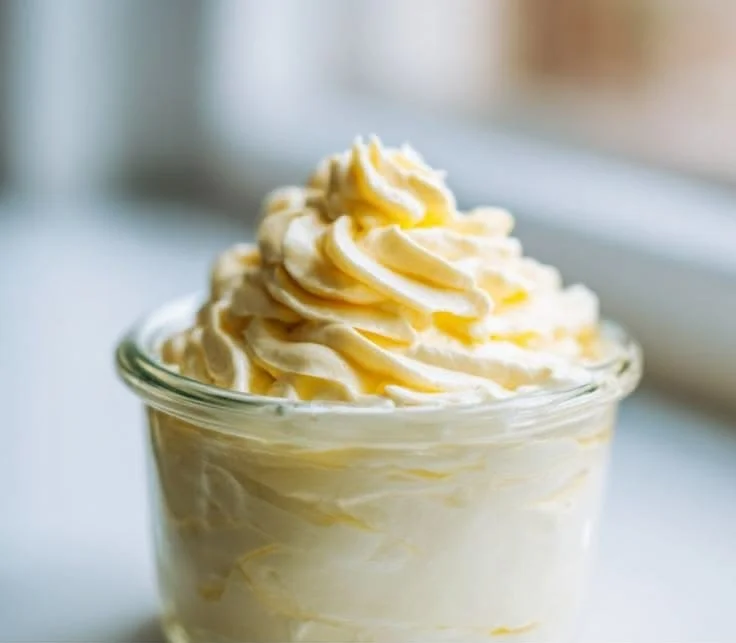
Homemade mayonnaise is a creamy, flavorful condiment that elevates any sandwich, salad, or dip. Making it from scratch might seem daunting, but it’s simple, rewarding, and incredibly delicious. With just a handful of ingredients, you can whip up a velvety mayonnaise that brings a personal touch to your culinary creations. Whether you’re looking to enhance your dishes or impress your friends, homemade mayonnaise is a must-try.
Recipe Information
- Prep Time: 10 minutes
- Cook Time: 0 minutes
- Total Time: 10 minutes
- Servings: 8
- Difficulty Level: Easy
Nutrition Information
- Calories per serving: 100 calories
- Protein: 1 gram
- Carbohydrates: 0 grams
- Fat: 11 grams
- Fiber: 0 grams
- Sugar: 0 grams
- Sodium: 80 mg
Why Make This Homemade Mayonnaise
Making your own mayonnaise allows you to control the ingredients, ensuring it’s fresh, preservative-free, and customizable to your taste. Unlike store-bought mayonnaise, homemade versions can be tailored with herbs, spices, and different oils. Plus, it’s a fun kitchen project that yields delicious results!
How to Make Homemade Mayonnaise
Follow these simple steps to create your very own mayonnaise at home. It’s quick, easy, and you will be amazed at the taste difference!
Ingredients:
- 1 large egg
- 1 tablespoon Dijon mustard
- 1 tablespoon white wine vinegar
- 1 cup vegetable oil
- Salt to taste
Directions:
-
Step 1: Preparation
In a blender or food processor, combine the egg, Dijon mustard, and white wine vinegar. This mixture serves as the base for your mayonnaise, providing both flavor and richness.
-
Step 2: Mixing
Blend the ingredients for a few seconds until they are well mixed. Ensure that everything is combined evenly for a smooth texture.
-
Step 3: Emulsifying
With the blender running, slowly drizzle in the vegetable oil. The key to achieving the perfect mayonnaise is to add the oil gradually. This process allows the mixture to thicken and emulsify beautifully.
-
Step 4: Finishing
Once the mixture has thickened to your desired consistency, season with salt to taste. Taste it and adjust the seasoning as needed. Then, transfer your mayonnaise to an airtight container for storage.
How to Serve Homemade Mayonnaise
Serve homemade mayonnaise as a classic condiment for sandwiches, burgers, or fish. Use it as a base for creamy salads like potato or coleslaw. It can also be a delightful dip for fresh vegetables or chips.
How to Store Homemade Mayonnaise
Store your homemade mayonnaise in an airtight container in the refrigerator. It should stay fresh for about one week. Always remember to use a clean spoon when scooping out mayonnaise to maintain its shelf life.
Expert Tips for Perfect Homemade Mayonnaise
- Use Room Temperature Ingredients: Bring your egg and oil to room temperature for better emulsification.
- Keep It Steady: Blend at a steady speed to ensure even emulsification.
- Flavor Boost: Experiment with adding garlic, herbs, or lemon juice for a unique spin on the classic recipe.
- Oil Choices: You can use olive oil, canola oil, or avocado oil based on your flavor preference.
- Fixing Broken Mayonnaise: If your mayonnaise breaks, try adding a teaspoon of water in another bowl and slowly whisking in the broken mayonnaise until it comes back together.
Delicious Variations
- Garlic Aioli: Add a clove of crushed garlic before blending for a tasty garlic aioli.
- Herbed Mayonnaise: Blend in fresh herbs like basil, dill, or cilantro for added flavor.
- Spicy Mayonnaise: Mix in some sriracha or hot sauce for a spicy kick, perfect for sandwiches or sushi.
Frequently Asked Questions
-
Can I use any type of oil for this mayonnaise?
Yes, you can use any neutral oil such as canola, grapeseed, or even olive oil, but keep in mind that olive oil may change the flavor. -
What’s the best way to beat the egg?
There’s no need to beat the egg separately; just include it whole in the blender or food processor. -
Can I double the recipe?
Absolutely! Just ensure your blender can handle the increased volume and blend in stages if needed. -
Why didn’t my mayonnaise thicken?
It might be due to adding the oil too quickly. Pour it in very slowly while blending to achieve a proper emulsification. -
How do I tell if mayonnaise has gone bad?
If it smells sour or has changed color or texture, it’s best to err on the side of caution and discard it.
Conclusion
Homemade mayonnaise is a simple, delicious way to elevate your meals and personalize your recipes. With this basic recipe, you can unleash your creativity in the kitchen while enjoying the rich, creamy goodness of fresh mayonnaise. Give it a try, and you may never go back to store-bought again! Happy cooking!
Print
Homemade Mayonnaise
- Total Time: 10 minutes
- Yield: 8 servings 1x
- Diet: Vegetarian
Description
A creamy, flavorful condiment that elevates any dish, homemade mayonnaise is simple to make with just a few ingredients.
Ingredients
- 1 large egg
- 1 tablespoon Dijon mustard
- 1 tablespoon white wine vinegar
- 1 cup vegetable oil
- Salt to taste
Instructions
- Combine the egg, Dijon mustard, and white wine vinegar in a blender or food processor.
- Blend the ingredients for a few seconds until well mixed.
- Drizzle in the vegetable oil slowly with the blender running to emulsify.
- Season with salt to taste once thickened, then transfer to an airtight container.
Notes
Store in the refrigerator in an airtight container for up to one week. Use a clean spoon to maintain freshness.
- Prep Time: 10 minutes
- Cook Time: 0 minutes
- Category: Condiment
- Method: Blending
- Cuisine: American
Nutrition
- Serving Size: 1 serving
- Calories: 100
- Sugar: 0g
- Sodium: 80mg
- Fat: 11g
- Saturated Fat: 1g
- Unsaturated Fat: 5g
- Trans Fat: 0g
- Carbohydrates: 0g
- Fiber: 0g
- Protein: 1g
- Cholesterol: 70mg